2026 crypto predictions: Bitcoin, stablecoins and tokenised RWA
As 2026 approaches, industry analysts forecast major cryptocurrency adoption through institutional investment, regulatory clarity and real-world asset (RWA) tokenisation.
Industry analysts make predictions about Bitcoin reaching between $150,000 and $200,000 during early 2026 driven by institutional demand. Investment firm Bernstein projects Bitcoin hitting $200,000 specifically due to exchange-traded fund inflows and institutional buying pressure. Options markets linked to BlackRock’s Bitcoin ETF expect prices around $174,000 by 2026 based on current trading patterns. Some optimistic forecasters like crypto analyst Vibes predict Bitcoin could even reach $300,000 if liquidity conditions improve dramatically. ETFs are investment funds that trade on stock exchanges, allowing traditional investors to buy Bitcoin exposure without owning coins directly.Bitwise analysts predict ETFs will purchase more than 100 percent of new Bitcoin, Ethereum and Solana supply in 2026.
This means institutional demand will exceed the amount of new cryptocurrency created through mining and network rewards. The increased institutional participation creates supply shortages that typically push prices higher over time through basic economics. Bitwise also predicts Bitcoin will become less volatile than technology stocks like Nvidia during 2026. Half of Ivy League university endowments may invest in cryptocurrency for the first time according to industry predictions. More than 100 cryptocurrency-linked ETFs could launch in the United States alone during the year ahead. These developments suggest cryptocurrency is transitioning from speculative asset to mainstream institutional investment during 2026.
Bitcoin price - Bitstack
Stablecoins and RWA enter mainstream finance
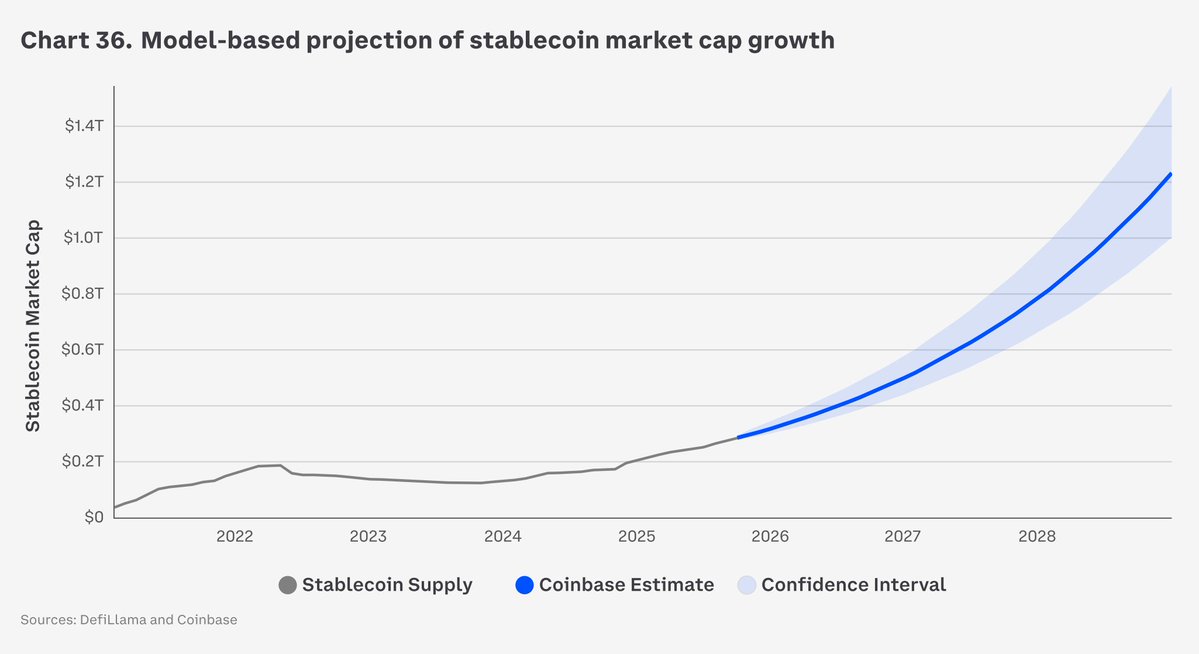
Stablecoins are expected to surge in adoption throughout 2026 as businesses embrace them for everyday payments and settlements. Consulting firm McKinsey predicts stablecoin transactions could surpass traditional payment transactions within a decade from now. The stablecoin market could expand from $250 billion today to $2 trillion by 2028 according to McKinsey’s analysis. USDC and USDT stablecoins will appear in payment processors, corporate treasuries and cross-border settlement systems beyond just cryptocurrency exchanges. For businesses, stablecoins offer instant settlement without delays or costs associated with traditional international wire transfers. Bitwise analysts controversially predict stablecoins will be blamed for destabilising an emerging market currency during 2026. This reflects concerns about stablecoins undermining weak national currencies in developing countries experiencing economic instability.
Tokenised real-world assets (RWA) represent another major trend, with forecasts predicting $30 billion in value by 2026. Real-world assets include traditional investments like corporate bonds, real estate properties and luxury goods converted into blockchain tokens. Giants like BlackRock will make these tokenised assets accessible at scale, enabling fractional ownership of expensive illiquid investments. This allows ordinary people to own small portions of commercial real estate or corporate bonds previously restricted to wealthy investors.
The 2026 predictions for RWAs and stablecoins - Coinbase
Layer 2 and regulatory clarity accelerate adoption
Advanced Layer 2 scaling solutions will dramatically improve blockchain transaction speeds and reduce costs during 2026. Technologies like zero-knowledge rollups and optimistic rollups will become widely adopted, making cryptocurrency apps faster and cheaper for everyone. These improvements could push decentralised finance total value locked to $1 trillion from roughly $21 billion today. Traditional banks may begin integrating their systems with decentralised finance protocols during 2026 for improved efficiency. Artificial intelligence integration with blockchain technology will enhance trading efficiency and automate complex financial operations. Regulatory clarity represents perhaps the most important development, especially if America passes the CLARITY Act legislation. President Trump’s administration is expected to roll back cryptocurrency enforcement actions and provide clear tax guidance. The government may even establish a national Bitcoin reserve as part of strategic cryptocurrency adoption policies. Clear regulations should stimulate trust in cryptocurrency backed by expanded stablecoin payments and mainstream banking connections. These combined factors position 2026 as potentially the most transformative year in cryptocurrency history for mainstream adoption globally.
As an entrepreneur and crypto investor, I turn complex finance and blockchain topics into clear, engaging, and accessible content, even for beginners. My goal is to help everyone better understand the key challenges shaping today’s and tomorrow’s crypto landscape.
Join us
Dive into BIM Blog, your go-to guide for blockchain, cryptocurrencies, and a helpful glossary to deepen your understanding. Here, we break down the latest hot topics while providing clear insights to help you navigate and grow confidently within these exciting fields.
Partner link notice: This page features various assets, products, and services related to investing. Some of these links are partner links, meaning that if you make a purchase or sign up through them, we may receive a commission from our partner. This helps support the BIM ecosystem and our mission to provide you with relevant, high-quality content. Rest assured, this does not affect you in any way, and you may even benefit from certain advantages through our links.
High returns do not always guarantee profits. Any high-yield investment comes with an equally high level of risk. Make sure the level of risk you take aligns with your goals, your investment horizon, and your tolerance for loss.
Investment caution: Investing in cryptocurrencies involves risks. While we make every effort to highlight quality products and services, we cannot be held responsible for the consequences of your investment decisions. Crypto-assets are volatile by nature: do your own research, assess your risks, and only invest what you can afford to lose. The information provided here does not constitute financial advice.
Do not stake your capital if you are not prepared to face potential losses.